
The Hidden Costs of Wedding Venues: 6 Fees That Can Blow Your Budget (And How to Spot Them)
March 1, 2026
You found it. You found the perfect venue. The view is breathtaking, the barn is rustic-chic, and the website says the rental fee is $5,000. You high-five your fiancé. "Great! We have $30,000 for the wedding, so that leaves us $25,000 for everything else."
Fast forward two months. You get the final proposal, and suddenly that $5,000 venue is costing you $9,500. What happened?
Welcome to the world of The Wedding Industry Contract. Unfortunately, many venues and caterers operate with a "Base Price + Fee + Fee + Fee" model. It isn't necessarily malicious, but it is confusing. And for couples in the New River Valley planning their first large-scale event, these "hidden" costs can be a devastating surprise.
At Smith Creek Farms, we operate differently. We believe in transparency. We want you to enjoy your engagement, not stress over fine print. In this guide, we are going to pull back the curtain on the 6 most common hidden costs in wedding contracts so you can budget with your eyes wide open.
The "Plus Plus" (++): Service Charge vs. Gratuity
This is the single biggest shock for most couples. You will often see prices listed as "$100 per person ++". The "++" stands for Tax and Service Charge.
The Service Charge (Usually 20-25%)
- What you think it is: A tip for the servers.
- What it actually is: An administrative fee kept by the venue or caterer to cover overhead, insurance, and salary. It rarely goes to the waiter filling your water glass.
- The Math: If your catering bill is $10,000 and there is a 22% service charge, your bill is instantly $12,200.
The Gratuity
- Since the Service Charge isn't a tip, you are still expected to tip the staff. That’s another 15-20%.
- The Takeaway: Always ask: "Does the Service Charge go to the staff, or is it a house fee?" If it’s a house fee, you need to budget an extra 20% on top of it.
The Rental Trap: "The Space is Beautiful... But Empty"
Some venues offer a very low rental rate (e.g., $2,000). It seems like a steal. But then you read the contract: "Rental includes the building only."
What You Have to Rent
If the venue doesn't provide them, you have to rent:
- Tables: $10 - $15 each.
- Chairs: $3 - $10 each (for 150 guests, that’s $1,500 just for seats).
- Linens: $20 - $50 per table.
- Silverware/Glassware: It adds up fast.
- Delivery Fees: Rental companies charge hefty fees to drop off and pick up, especially for late-night pickups on a Saturday.
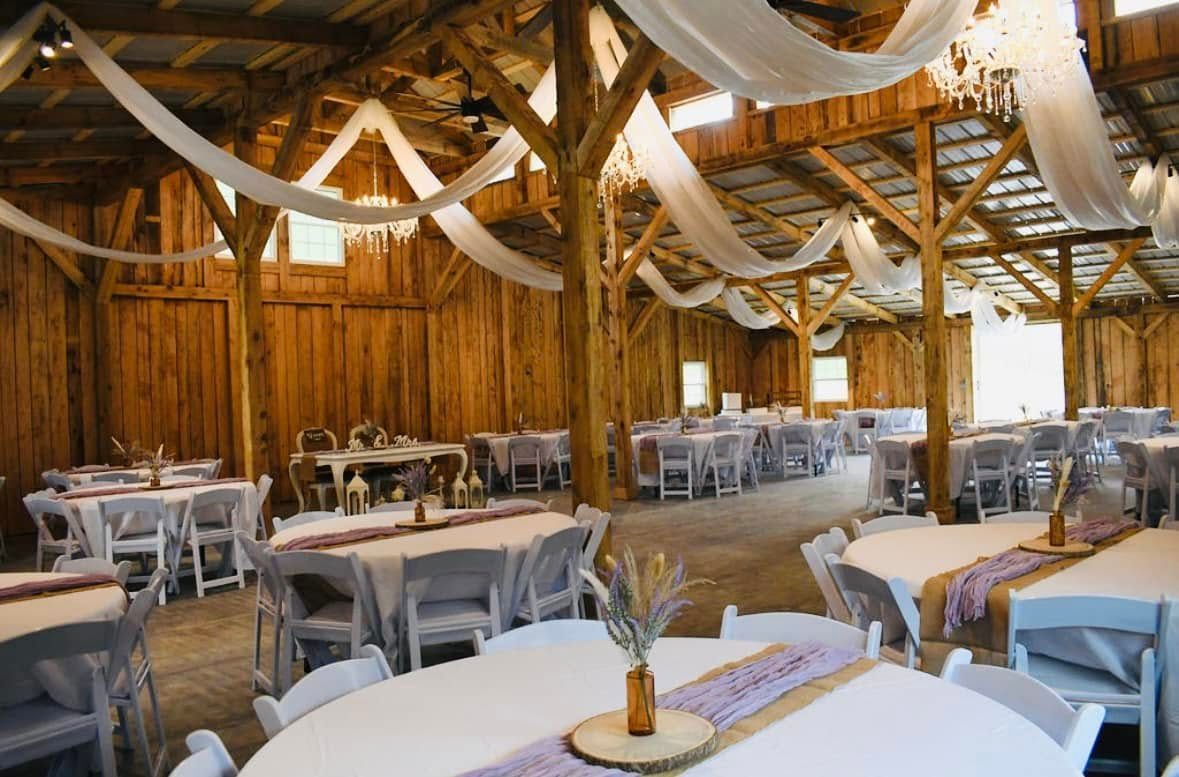
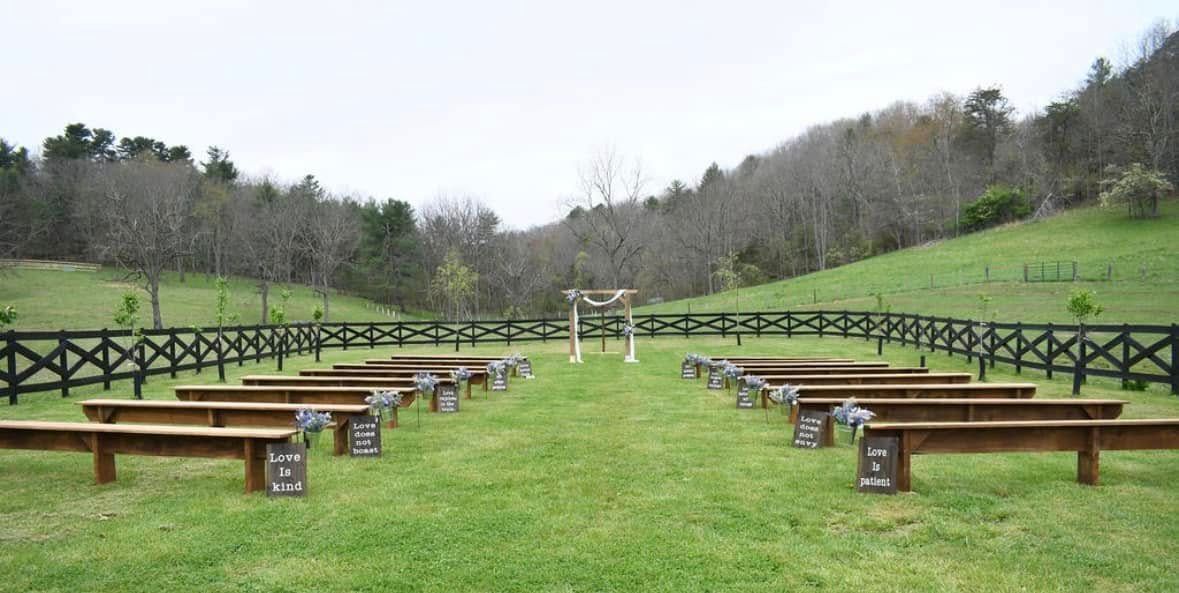
The Smith Creek Difference: When you tour venues, always ask to see the "Included Inventory." (Hint: At Smith Creek Farms, we include tables and chairs in our packages because we don't think you should have to pay extra just to sit down).
The "Exclusive Vendor" Kickback
Some venues hand you a list of "Preferred Vendors" and say you must use them. Sometimes, this is for quality control (which is good). Other times, it’s because those vendors pay the venue a commission (a "kickback") to be on that list.
- The Cost: If a caterer has to pay the venue 10% of their earnings, they often raise their prices for you to cover that loss.
- The Restriction: If you have your heart set on a specific food truck or a friend’s bakery, an "Exclusive List" venue might charge you a $1,000 "Outside Vendor Fee" just to bring them in.
The Nickel-and-Dime Fees: Cake, Corks, and Power
These are the small fees that die a death by a thousand cuts.
The Cake Cutting Fee
The Reality: You buy a beautiful cake. The venue charges you $1.50 to $3.00 per slice just to cut it and put it on a plate. For 150 guests, that’s $450 just to eat the cake you already paid for.
The Corkage Fee
The Reality: You want to buy your own wine at Costco to save money. The venue allows it, but charges you $15 per bottle to "uncork" it. Suddenly, your $10 wine costs $25.
The Power Drop Fee
The Reality: Your band arrives and needs to plug into the venue’s system. Some venues charge a "Power Fee" or "Generator Fee" for high-voltage usage.
Event Insurance (Required, Not Optional)
Almost every professional venue (including us) requires you to purchase Wedding Liability Insurance.
- Why? If Uncle Bob has too much whiskey, trips over a DJ speaker, and breaks his ankle, you need coverage. Or if a vendor damages the property, you are liable.
- The Cost: This is actually a "good" hidden cost. It usually runs $150 - $200 for a $1M policy. It is cheap peace of mind. Just don't forget to put it in the spreadsheet.
The "Overtime" Penalty
Your contract will state a strict end time (e.g., "Music off at 10:00 PM, Everyone out by 11:00 PM").
- The Scenario: You are having a blast. The DJ plays "one more song." Guests linger in the parking lot saying goodbye. The clock strikes 11:15 PM.
- The Cost: Many contracts have aggressive overtime clauses, charging $500 to $1,000 per hour (billed in 15-minute increments) if you go over.
- The Fix: Ensure your timeline is realistic. If you know your family loves to party, pay for the extra hour upfront—it’s always cheaper than the penalty rate.
Conclusion: Ask the Hard Questions
We are sharing this not to scare you, but to empower you. A contract is a negotiation. You have the right to ask, "What is this fee for?" and "Is this total estimated cost inclusive of service and tax?"
At Smith Creek Farms, we built our business on relationships, not fine print.
- We believe in Flat Rates.
- We include the tables and chairs.
- We let you choose vendors that fit your style and budget (as long as they are insured pros!).
- We want you to look back on your wedding day remembering the joy, not resenting the bill.
Looking for a venue with no surprises?
Contact Smith Creek Farms today. We will walk you through our packages line-by-line so you know exactly what your dream wedding will cost.